
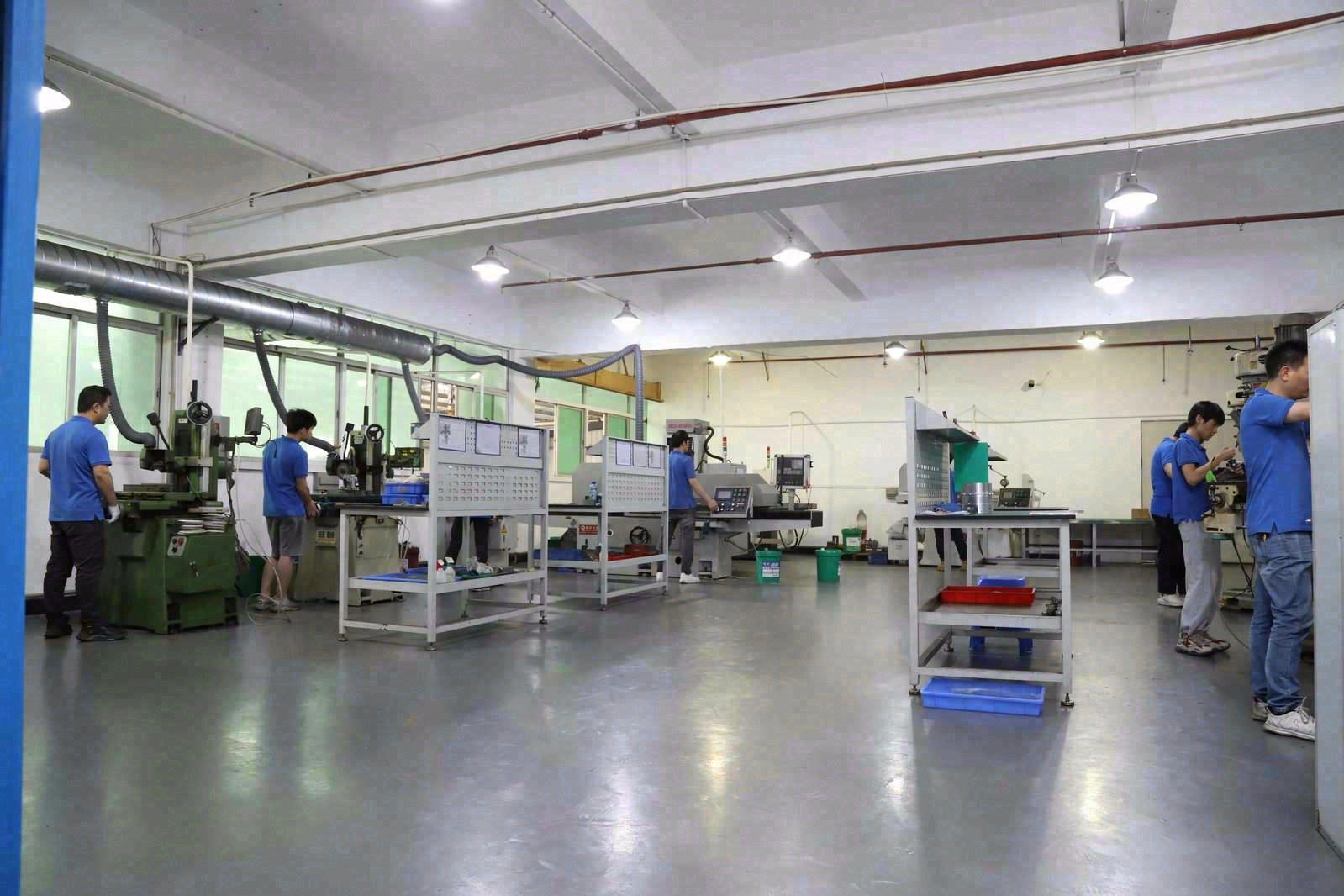
Sourcing medical machined parts from China is a verification exercise with distance added. The geometry is the easy part; what makes a component usable is whether the material can be proven against its certificate, the tolerances and surface finishes held and measured, and the records assembled in a form your quality system can put into the device history record. This guide walks through the material callouts, tolerance and finish strategy, finishing chain, and documentation scope for medical parts, and the due diligence that qualifies a machining service before the first part ships.
Why does medical sourcing turn on documentation as much as machining?
A medical component is judged by the evidence trail that surrounds it. Your quality system — and, for cleared or approved devices, the regulator — reconstructs the part's history from certificates, inspection data, and process records. A substituted alloy or an out-of-tolerance feature that passes visual inspection becomes a liability precisely because the record is what gets audited, not the part's appearance.
That shifts the buyer's standard from "can you make this?" to "how do you prove you made it correctly, every time?" Material: the alloy on the drawing must match the certificate on the lot in the machine. Geometry and finish: the size, geometric controls, and surface finish must be measured, not assumed. Documentation: the reports must let an engineer who was not present — and not on your continent — confirm the part months later, when the device history file is reviewed.
The sourcing sequence that verifies a supplier — quote, shortlist, first article, volume — is described in the sourcing verification guide, and the practical screen for any China supplier is covered in the supplier selection guide. Medical simply raises the standard of evidence on the same process.
Which materials matter most for medical parts machined in China?
Medical machining concentrates on a narrow material set, and the drawing should name the grade and specification so the certificate is matched to it:
| Material | Typical medical use | Why it is specified |
|---|---|---|
| 316L stainless | Implants, instruments, fasteners | Corrosion resistance, passivation response, established biocompatibility data |
| 17-4PH stainless | Cutting and load-bearing instruments | High strength after heat treatment for thin, hard tools |
| Ti-6Al-4V | Implants, bone plates, weight-critical components | Strength-to-weight and biocompatibility |
| PEEK | Radiolucent and insulating components | Machinable polymer with a long implant history |
| Aluminum 6061/7075 | Instruments, housings, fixtures | Lightweight and easy to machine where body contact is not an issue |
The material callout matters twice: once for the certificate, and once for the machining strategy. Titanium and 17-4PH machine slowly and demand rigid setups; PEEK demands sharp tooling and careful heat control. Each changes the quote and the schedule, which is why the grade belongs on the drawing before the RFQ goes out, and why the incoming material check is part of the audit, not an afterthought.
What tolerances and surface finishes should a medical drawing carry?
Medical prints carry tight callouts where function demands — mating tapers, sealing faces, cutting edges — and the tolerance strategy should follow function rather than habit. Production capability on milled and turned features is ±0.003 mm, with ±0.002 mm reachable by precision grinding on sealing and seating surfaces, and process capability of Ppk ≥ 1.67 at the initial study on key characteristics and Cpk ≥ 1.33 on general characteristics. Capability is reported per characteristic: every report names the feature, its tolerance band, the sample size, the sigma method, and the study window is the standard to quote and verify.
Surface finish deserves its own line on medical drawings because it is functional, not cosmetic. State the value in Ra on the drawing: a fine as-machined finish is routine, electropolishing of stainless gives the clean, low-friction surface instruments need, and passivation is the step that restores corrosion resistance after machining. A finish specified as "good finish" is a specification the supplier must guess; a finish stated as Ra 0.4 µm or a passivation note is one it can quote and verify with a profilometer.
The buyer trap is over-tolerancing everything because it is free in CAD. Every feature pulled tight and every surface finished finely adds machining and inspection time, and on regulated work the load follows the callouts. Put the tight bands and the finish values where they function, and let the rest ride sensible general values — a discipline that cuts cost without changing how the part performs in the body or the instrument.
What documentation should a medical order require from China?
The documentation on a medical order is part of your device history record, so it should be scoped into the purchase order rather than requested after machining:
- Material certificates naming the alloy, temper, heat number, and the specification on the drawing.
- Incoming verification records proving each lot was checked against its certificate before cutting.
- CMM dimensional reports measured against the drawing's datum scheme, on the critical features.
- Surface-finish measurements backing the stated Ra values with profilometer data.
- SPC data on key characteristics backing the Ppk ≥ 1.67 initial claim across the run.
- Finishing and process records for passivation, electropolishing, anodizing, or heat treatment.
Each document moves verification work from your incoming inspection into the supplier's routine. A supplier that ships reports as standard practice is one whose process you can audit; one that treats documentation as an extra will leave gaps in your device history record. Ask how long the supplier retains records, because your file may need them years after the shipment, and confirm the report format, because machine-readable dimensional data is far easier to load into your record than a scan.
How is material traceability handled across the distance?
Traceability is a chain, and distance makes every link more important. The chain runs: the mill certificate arrives with the raw material; the incoming check verifies the lot against it — XRF spectroscopy is the standard method and catches a substituted alloy before cutting; the production record ties finished parts to the lot; and the reports ship with the order.
Ask how the shop records the chain and whether the verification record for your lot can be included with the certificates. A supplier whose production system logs raw material source, process parameters, machine data, batch, and operator against each lot can isolate a non-conformance to a specific batch — exactly what your quality system needs when a field question surfaces. One that answers "the paperwork is in a folder" does not have traceability in a usable form, and an ocean between you makes a gap much harder to close later.
Expect the incoming check to be visible rather than assumed. A serious shop can show you the verification step and the record it generates, which is worth confirming on a live video walk-through. On a medical component, the incoming check is where a material substitution is either caught or allowed into the device history record, and it deserves the same audit attention as the machining itself.
How do finishing and cleaning fit into the medical workflow?
A medical component rarely ships as-machined. Stainless instruments and implants are passivated and often electropolished; titanium components are anodized or passivated; PEEK parts may need specific surface preparation. Each step is a documented process with its own records, and the specification should state which steps are required and what evidence accompanies them.
Ask the supplier which finishing steps run in-house and which go to a qualified partner. A machining service that manages the chain can deliver a finished, documented component from one accountable source; a split across vendors splits the records and the accountability. Cleanliness requirements — whether the part ships clean, in controlled packaging, or with a final cleaning step documented — belong in the specification, not in a conversation after quoting.
Consider whether your program needs the finish process itself validated. A passivation bath or an electropolish cycle is only as good as its control, so ask what records the supplier keeps on the finishing process — cycle parameters, and the inspection that confirms the result on your lot. On a regulated component, the finish is part of the specification, and its evidence belongs in the device history record alongside the machining data.
Which quality systems should a medical supplier in China hold?
Match the certificate to your program requirement rather than collecting an impressive list. Many medical device manufacturers require component suppliers to hold ISO 13485 or to operate under the manufacturer's own quality system — where your supplier quality agreement demands ISO 13485, only a holder will pass your audit. For build-to-print work under your system, a supplier certified to ISO 9001:2015, IATF 16949:2016 and ISO 14001:2015 provides an audited structure for document control and traceability that the device history record runs on.
Verify the numbers, not the logos. Every certificate carries a registrar reference, and a lookup confirms it is current, in the correct legal name, and scoped to what the supplier claims. Read the scope line as carefully as the standard itself: a scope that excludes product design confirms the shop is build-to-print, which is the arrangement that keeps design responsibility with your organization, where the regulator expects it.
For automotive and regulated work a China machining service can also run PPAP and FAI packages, including control plans and PFMEA, on request — the same audited documentation language your quality team already reads. The quality architecture behind these packages is described in the quality and measurement guide.
How do you run due diligence on a China machining service for medical work?
The buyer decision framework that protects a regulated program runs in five gates, each cheaper than the next:
- Make the part describable. State the material grade, the tolerance on each critical feature, the finish, and the quantity.
- Fact-check the shortlist. A walkable floor, a nameable machine list, and certificates with numbers issued to the same entity.
- Compare quotes line by line. Material, tolerance per feature, finish, setup or tooling, lead time, and inspection documentation.
- Order one part. At a 1-piece MOQ, measure the first article against the drawing and review the documentation yourself.
- Release volume only when the first article passes. The production lot is then judged against the approved baseline.
Each gate removes an unknown before the next, more expensive gate. Qualification is not a one-time event — re-run the gates when the program changes, and treat the first article of every new part as a qualification event in its own right. Re-qualify on a schedule too: a yearly certificate check, a re-run sample when the process changes, and a standing notification requirement for material-source changes, because on a regulated component the supplier's change control is part of your change control.
What are realistic timelines and order structures for medical work?
Medical machining runs on two rhythms. Prototypes and first articles are urgent and small: with a 1-piece MOQ, a single part can be machined, verified against its material file and CMM report, and approved before volume is committed. Production orders are larger and slower, gated by first-article approval and carrying per-lot inspection and documentation.
On the calendar, simple parts typically ship in roughly a week, while parts with many operations, finishing chains, or exotic alloys run three to six weeks once inspection and documentation are counted. The shipping leg is separate again: fly prototypes so the design loop is measured in days, let production quantities ride ocean freight, and book logistics in parallel with machining rather than after it. Lead times from a China machining service follow the 3 / 7 / 30-day ladder by process-step count.
Keep the documentation standard identical across both stages. If your quality system needs CMM reports, finish measurements, and certificates on the prototype, it needs the same on every production lot, and building the habit at prototype stage means the device history record is never assembled from missing documents later. The part types that suit each stage are on the parts guide.
Frequently Asked Questions
Which materials are most common for medical parts machined in China?
The core set is 316L stainless for implants and instruments, 17-4PH stainless for cutting and load-bearing instruments, Ti-6Al-4V for implants and weight-critical components, and PEEK for radiolucent parts. The finishing steps matter as much as the alloy itself.
What tolerances and surface finishes should a medical drawing carry?
Production capability on milled and turned features is ±0.003 mm, with ±0.002 mm reachable by precision grinding on sealing and seating surfaces. Surface finish should be stated in Ra on the drawing — a fine as-machined finish is routine, and electropolish or passivation adds its own step. Process capability of Ppk ≥ 1.67 at the initial study on key characteristics and Cpk ≥ 1.33 on general characteristics. Capability is reported per characteristic: every report names the feature, its tolerance band, the sample size, the sigma method, and the study window is the standard to quote.
What documentation should a medical order require from a China machining service?
At minimum, the material certificate and a CMM dimensional report on critical features. For a device program, add incoming verification records, SPC data on key characteristics, and a first-article report. The documentation is part of your device history record, so scope it into the quote.
Does a China machining service need ISO 13485 for medical work?
It depends on your program. Many medical device manufacturers require component suppliers to hold ISO 13485 or to operate under the manufacturer's quality system. Where your supplier quality agreement requires it, only an ISO 13485 holder will pass. For build-to-print work under your system, a supplier certified to ISO 9001:2015, IATF 16949:2016 and ISO 14001:2015 can still deliver the traceability and inspection documentation the part needs.
How is material traceability handled on a medical lot?
Every incoming lot is checked against its mill certificate before cutting, typically by XRF, and the certificate travels with the finished parts. Production records tie the lot to machine, batch, and operator, so a non-conformance can be traced to a specific lot in the device history record.
How do finishing and cleaning fit the medical workflow?
Passivation and electropolishing of stainless, anodizing of titanium, and PEEK surface prep are documented steps. Cleanliness requirements belong in the specification, and the supplier should state which steps run in-house versus with a qualified partner. Finish is verified with a profilometer, not assumed.
How do I run due diligence on a China machining service for medical work?
Make the part describable, fact-check the shortlist — walkable floor, nameable machine list, certificates with numbers — and compare quotes line by line. Then order one part at a 1-piece MOQ, measure it against the drawing, and review the documentation before releasing volume.
How do I keep quality consistent from prototype to production?
Release in stages: approve the prototype's material file and CMM report, then run a pilot batch carrying its own first-article report and SPC data on key characteristics. When the same machines and programs produce both, the approved geometry is repeated rather than re-derived.
Have a medical drawing to qualify?
Email the model, the toleranced drawing, and the material callout to [email protected] or call +86 13126536955. You will get the due-diligence evidence in writing, a DFM review, and an itemized quote — usually within one business day.